Goose American Embroidery Design Review
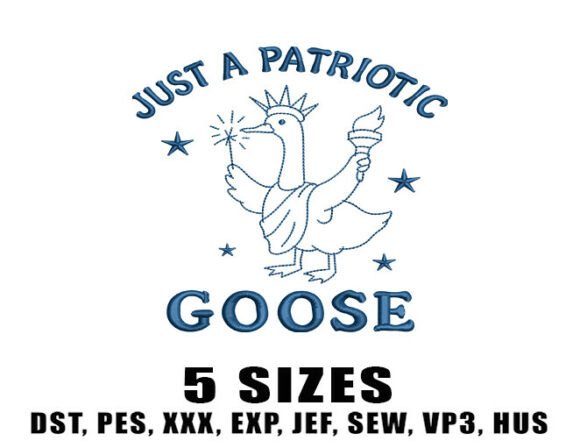
As a designer who has stitched everything from delicate nursery blankets to rugged workwear patches, I approach every new machine embroidery design with a critical eye. The market is flooded with generic motifs, so finding a piece that balances humor with technical precision is rare. Recently, I pulled up the Goose American Embroidery Design to see if it holds up under real-world scrutiny. This isn't just another patriotic clipart; it features a funny patriotic goose holding a torch, which immediately sets a quirky tone perfect for Independence Day projects or humorous apparel gifts. But does the visual charm translate into a clean stitch-out on actual fabric?
First Impressions: Quirky Patriotism Meets Practicality
The moment I opened the file, the personality of the design jumped out. A goose holding a torch is an unexpected twist on traditional Americana. It avoids the cliché eagles and stars-and-stripes overload that often feels overused in July. Instead, it leans into character. For a small business owner or Etsy seller looking to stand out at a craft fair, this kind of visual storytelling is gold. It suggests a brand that doesn't take itself too seriously but still celebrates the holiday.
However, as a reviewer, my first instinct is to look past the concept and examine the construction. How will the curves of the goose's beak render? Will the flame on the torch bleed into the background? The layout appears balanced, designed to fit within standard hoop dimensions without feeling cramped. The available sizes, specifically the 3.8-inch and 4.8-inch options, are significant because they dictate where you can actually use this design. These aren't tiny monogram sizes; they are substantial enough to be the focal point of a tote bag or the chest logo of a sweatshirt.
Real-World Application: From Hoop to Finished Product
Let's talk about a specific scenario. Imagine you are preparing a custom embroidered tote bag for a local boutique's summer collection. You want something that says "summer" and "holiday" without screaming "generic souvenir." The Goose American Embroidery Design fits this niche perfectly. On a sturdy canvas tote, the larger 4.8-inch size would pop beautifully. The contrast between the white feathers and the red torch flame would likely create a striking visual, provided you select the right thread colors.
I also considered how this might perform on custom apparel, specifically a heavy cotton sweatshirt. The thickness of the fabric requires a robust design. If the stitch density is too high, the fabric might pucker around the goose's body. Conversely, if the density is too low, the design might not hold up after a few washes. In my experience, designs with distinct outlines and moderate fill areas tend to age better on stretchy fabrics. The goose's pose seems dynamic, which usually implies a mix of satin and fill stitches. This combination is excellent for durability but demands proper tension settings on your machine.
For those selling handmade products like aprons or pillow covers, this design offers a playful touch. Picture a kitchen towel featuring this goose; it instantly becomes a conversation starter during a Fourth of July BBQ. The humor adds value, transforming a simple household item into a personalized gift that recipients will actually want to display. Whether you are creating a finished product for your own shop or fulfilling a custom order for a client, the versatility of this motif allows it to bridge the gap between novelty and quality.
Navigating Technical Challenges and Fabric Choices
While the design looks promising, there are specific situations where caution is required. If you plan to use this on thin fabric, such as a light t-shirt or a silk scarf, you must be meticulous with your stabilizer. Without adequate backing, the weight of the thread could distort the delicate weave, making the goose look lumpy rather than crisp. Similarly, on textured fabrics like denim or fleece, the fill stitch might settle unevenly into the pile, obscuring fine details.
Curved surfaces present another challenge. If you are attempting to embroider this onto a cap, the smaller 3.8-inch size is your best bet. However, even then, the curve of the hat panel can cause the design to shift if the hooping technique isn't flawless. The flame on the torch, being a smaller detail, risks becoming indistinct if the hoop size forces the design to shrink beyond its intended proportions. Always check the minimum recommended size before scaling down.
Dark fabrics require careful planning. While the design likely includes outline stitches to separate elements, sewing white thread directly onto black fabric without a cutaway stabilizer can lead to show-through. I always recommend testing the design on scrap fabric first, especially when working with dark backgrounds. This step ensures that the thread colors provide enough contrast and that the running stitch details remain visible against the darker ground.
Maximizing Value for Your Craft Business
For the digital product seller or the creative entrepreneur, the Goose American Embroidery Design represents a solid asset. Its unique theme differentiates it from the sea of generic eagle designs. When creating printable mockups for your online store, ensure the lighting highlights the texture of the stitches. Customers need to see the quality of the satin stitch on the goose's beak to trust the final result.
This design enhances brand consistency for shops focusing on whimsical or family-friendly goods. It signals that you understand your audience wants fun, relatable items. However, remember that the perceived value of your small shop product depends heavily on execution. A poorly stitched version of a great design can damage your reputation. Therefore, investing time in perfecting the tension and stabilizer choice is non-negotiable.
Essential Designer Notes Before You Stitch
Before committing this design to a paid project or listing it as a commercial embroidery item, follow these practical steps:
- Test on Scrap Fabric: Never skip this. Run a test on the exact fabric you plan to use to check for puckering and thread breaks.
- Verify Licensing: Ensure you have the correct license for selling finished items or the digital embroidery file itself. Do not assume personal use rights cover commercial sales.
- Check Thread Contrast: Compare the design in black and white mockups to ensure the flame and details don't get lost on certain fabric colors.
- Inspect Small Details: Zoom in on the torch flame and the goose's eye. If these areas seem too dense, consider adjusting the stitch count or using a finer thread.
- Confirm Hoop Compatibility: Make sure your machine can accommodate the 3.8-inch and 4.8-inch sizes comfortably without crowding the needle bar.
Ultimately, the Goose American Embroidery Design is a strong contender for your Independence Day collection. It brings a necessary dose of humor and creativity to the seasonal market. With the right fabric choices and technical preparation, it can elevate your embroidery project from a simple decoration to a standout piece that customers will love. Whether you are a hobbyist making gifts for friends or a professional decorator building a portfolio, this design offers the perfect blend of fun and function.