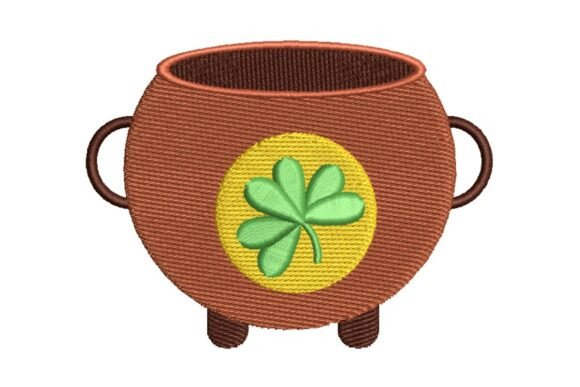
Lucky Shamrock Pot Embroidery Design Review
As a professional embroidery designer who has spent years translating digital concepts into tangible thread for small businesses, I approach every new machine embroidery design with a critical eye. The goal is never just to create something pretty; it is to build assets that drive brand recognition and withstand the rigors of daily wear. Today, I am reviewing the Lucky Shamrock Pot Embroidery Design. At first glance, this design promises a charming aesthetic suitable for seasonal promotions or year-round branding centered on luck and fortune. However, before any business owner commits to bulk production or sells this as a premium handmade product, we must dissect its viability for real-world commercial use.
First Impressions: Visual Personality and Brand Fit
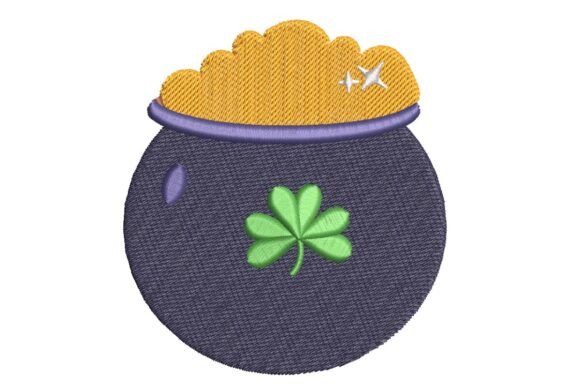
The description highlights a stylized pot rendered in a textured reddish-brown, adorned with a lucky shamrock. This combination immediately evokes a rustic, earthy, and welcoming vibe. Unlike many St Patrick S Day designs that rely heavily on neon greens and golds, this piece leans into a more grounded, artisanal palette. For a boutique bakery, a local coffee shop, or a florist looking to add a touch of whimsy without appearing kitschy, this digital embroidery file offers a sophisticated entry point.
The "textured" rendering of the pot suggests that the stitch work likely utilizes satin fills or varied stitch angles to mimic depth. In a business context, texture translates to perceived value. When a customer runs their fingers over an embroidered patch on a tote bag or a staff apron, they expect to feel quality. If the Lucky Shamrock Pot Embroidery Design delivers on this textural promise, it elevates the item from a generic promotional giveaway to a desirable piece of small business merch.
Performance in Real Business Applications
When evaluating how this design performs across various merchandise categories, versatility is key. Here is how I see the Lucky Shamrock Pot Embroidery Design functioning in specific commercial scenarios:
- Embroidered Patches: This is arguably the strongest application. The defined shape of the pot makes it ideal for creating standalone patches. These can be sewn onto denim jackets, backpacks, or canvas totes. The contrast between the reddish-brown pot and the green shamrock creates a focal point that stands out even at a distance.
- Staff Uniforms and Aprons: For a café or boutique, placing this design on the chest pocket of a uniform shirt or the bib of an apron adds a cohesive visual identity. It signals to customers that the team embraces a friendly, perhaps slightly traditional or heritage-focused brand culture.
- Cap Embroidery: While caps require careful sizing, the compact nature of a pot allows this design to fit well on the front panel of a baseball cap or the side of a flat-brim hat. It serves as a subtle nod to the brand's personality without overwhelming the wearer's face.
- Tote Bag Design: Canvas totes are a staple for eco-conscious brands. The sturdy fabric of a tote bag supports the weight of the stitches well. Placing the Lucky Shamrock Pot Embroidery Design near the top edge or centered on the front creates a memorable carrying experience for shoppers.
- Product Packaging Accents: Beyond apparel, consider using this as a branded tag or label on gift boxes, especially during the spring season. A high-quality embroidered label attached to a jar of jam or a bundle of dried flowers instantly increases the perceived value of the finished product.
Strategic Considerations for Commercial Use
While the design holds significant potential, there are specific areas where caution is required to maintain professionalism. As designers, we know that not all files perform equally on every substrate.
Sizing and Detail Retention If you plan to use this for tiny logo accents on pen pockets or very small patches, you must verify the detail level. The "textured" aspect of the pot relies on stitch definition. If scaled down too aggressively, the texture may blur, turning into a muddy patch of thread. Always test the embroidery file at your intended size before cutting stabilizers for a full run.
Fabric Texture and Stabilizer Choice The success of this design depends heavily on the backing material. On smooth cotton or twill, the reddish-brown tones will pop beautifully. However, on highly textured fabrics like heavy fleece, corduroy, or knits, the intricate details of the pot might get lost in the fabric weave. In these cases, a heavy-duty cutaway stabilizer is non-negotiable to ensure the design lays flat and remains crisp after washing.
Color Contrast on Dark Uniforms The description mentions a reddish-brown pot. On dark navy or black uniforms, this color might lack sufficient contrast unless outlined carefully. If the design includes a dense outline stitch, it should remain visible. If not, you may need to adjust the thread colors in your digitizing software or choose lighter background fabrics to ensure the design is legible and professional.
Impact on Brand Identity and Customer Trust
In the competitive landscape of handmade goods and custom apparel, consistency is currency. Using the Lucky Shamrock Pot Embroidery Design consistently across your design assets helps build a recognizable brand identity. When customers see the same motif on your staff's aprons, your shopping bags, and your event merchandise, it reinforces trust and familiarity.
Furthermore, embroidery implies permanence. Unlike screen printing, which can crack or fade, a well-executed embroidered design lasts for years. By choosing a high-quality commercial embroidery project, you are telling your customers that your business values durability and attention to detail. This perception of quality directly influences buyer engagement and encourages repeat purchases.
Practical Designer Notes for Production
Before you hit the "start" button on your machine, follow these essential steps to ensure a flawless outcome:
- Test in Black and White: Run a test stitch-out using only black thread. This isolates the structure of the design, allowing you to check for spacing issues, jump stitches, or density problems without the distraction of color.
- Verify Hoop Size: Confirm that the design fits within your available hoop sizes. If the design is larger than your standard 4x4 inch hoop, you may need to split the design or use a larger frame, which affects workflow efficiency.
- Check Stitch Density: Inspect the reddish-brown area of the pot. High stitch density can cause puckering on lightweight fabrics. If you notice pulling, reduce the density or switch to a tear-away stabilizer.
- Create a Printable Mockup: Before committing to expensive thread and fabric, generate a printable mockup showing the design on your actual products. Present this to clients or stakeholders for approval to avoid costly rework.
- Review Licensing Terms: Ensure you have the correct commercial license for the Lucky Shamrock Pot Embroidery Design. Many digital files are sold for personal use only. Verify that your license covers the volume of items you intend to sell.
- Compare with Other Assets: Place the design next to other logos or typography you use. Does the style match? Ensure the rustic charm of the pot aligns with your overall brand voice.
The Lucky Shamrock Pot Embroidery Design offers a delightful opportunity for businesses to inject character into their merchandise. With careful planning regarding fabric choice, sizing, and licensing, it can become a cornerstone of your seasonal marketing or a permanent fixture in your brand's visual language. Remember, the best embroidery isn't just about the pattern; it's about how that pattern enhances the story your business tells.