Dual Flower Branch Embroidery Art Review
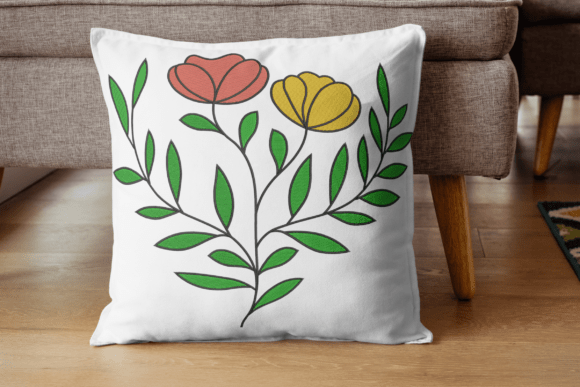
As a designer who has spent years navigating the delicate balance between aesthetic appeal and machine performance, I approach every new machine embroidery design with a critical eye. The market is flooded with digital assets that look stunning on a screen but fall apart under the needle. Today, I am evaluating the Dual Flower Branch Embroidery Art. This piece promises to bring a touch of nature to your creations, featuring one red and one yellow flower with a lush green leafy stem. It is categorized under Single Flowers, yet its composition suggests a more complex narrative than a solitary bloom. My goal here is not just to describe it, but to determine if this embroidery file holds up in real-world production for small business owners, Etsy sellers, and serious crafters.
First Impressions: Mood and Composition
When I first loaded the Dual Flower Branch Embroidery Art into my digitizing software, the visual personality was immediately striking. The juxtaposition of the vibrant red and sunny yellow against the lush green stem creates a palette that feels both modern and elegant. It avoids the trap of looking too busy; instead, it offers a balanced asymmetry that draws the eye naturally along the branch. For anyone looking to add a sophisticated organic element to their brand, this design fits the bill perfectly.
The layout suggests movement. Unlike static floral motifs that sit flat, this branch implies growth and direction. This makes it an excellent candidate for custom apparel where you want the design to follow the seam or curve of a garment. However, as a reviewer, I always ask: does the complexity match the intended use? The detail level in the petals and leaves indicates a mix of fill stitch and likely some satin stitch outlining to define the edges. This combination usually results in a high-quality finish, provided the stitch density is managed correctly.
Real-World Application: A Case Study
To truly test the viability of the Dual Flower Branch Embroidery Art, let's imagine a specific scenario. You are preparing a line of premium canvas tote bags for a local boutique. These bags need to feel artisanal yet durable. I visualize placing this design on the front pocket of the bag. The red and yellow flowers would pop beautifully against a natural beige or cream canvas, creating a focal point that screams "handmade product" without looking amateurish.
In this context, the design transitions from a simple graphic to a statement piece. Customers browsing an Etsy listing or walking through a craft fair would immediately notice the color contrast and the organic flow. If you were selling these as holiday gifts, perhaps wrapped with a simple ribbon, the elegance of the dual flowers elevates the perceived value of the item. It moves the product from a generic commodity to a curated gift. The versatility extends beyond bags; I can easily see this working as a sweatshirt embroidery placement on the chest or sleeve, adding a touch of nature-inspired style to casual wear.
For parents, this design could be adapted for baby embroidery projects, such as a personalized onesie or a soft pillow cover. The bright colors are engaging for children, while the botanical theme remains timeless for nursery decor. The key here is how the design scales. If you are making a small patch for a hat, you must ensure the details do not get lost. The Dual Flower Branch Embroidery Art seems robust enough to handle various sizes, but caution is always necessary when scaling down intricate botanical elements.
Navigating Technical Challenges
While the aesthetic potential is high, practical application requires attention to detail. There are specific situations where the Dual Flower Branch Embroidery Art needs careful handling. First, consider the fabric texture. On highly textured fabrics like heavy denim or bouclé, the fine lines of the leaves might struggle to register clearly. You may need to adjust your stabilizer choice significantly to prevent the fabric from pulling and distorting the delicate stems.
Secondly, thin or stretchy fabrics present a risk. Without proper backing, the tension from the running stitch and fill areas could cause puckering, ruining the elegant silhouette of the branch. Always test the design on scrap fabric first. Check the thread color contrast before committing to your final product; the red and yellow threads must stand out against the background material to maintain that modern look.
Curved surfaces, such as caps, also require scrutiny. The linear nature of a branch design can sometimes look awkward on the rounded crown of a hat if the hoop size isn't adjusted properly. Ensure you are using a cap frame that supports the width of the design without stretching the stitches. Additionally, if you plan to use this for products that require frequent washing, verify the durability of the thread colors. High-quality thread is essential to prevent fading, especially for the bright red and yellow hues which can be prone to showing wear over time.
Impact on Brand and Product Value
Using a well-executed design like the Dual Flower Branch Embroidery Art directly influences customer trust and brand consistency. In the world of handmade goods, the quality of the stitching is often the primary indicator of professionalism. A clean, dense stitch pattern with no gaps or jumps signals to the buyer that they are purchasing a high-value item. This design, with its clear definition and balanced color scheme, enhances the visual appeal of any finished product.
For digital product sellers and creative entrepreneurs, this asset serves as a strong design asset for creating printable mockups. Even before the physical item is stitched, the ability to showcase this design in a professional mockup can drive engagement and sales. It allows you to present a cohesive collection, whether you are focusing on kitchen towels, aprons, or personalized gifts. The recognition factor is high; customers remember unique, colorful botanical designs more readily than generic text-based embroidery.
Practical Designer Notes for Success
- Test First: Never skip the test run on scrap fabric. Check for skipped stitches or thread breaks, especially in the transition between the red and yellow flowers.
- Stabilizer Selection: Use a cutaway stabilizer for stretchy fabrics and a tear-away for stable materials like canvas to ensure the hoop size accommodates the full branch without distortion.
- Licensing Check: Before selling finished items or digital files containing this design, confirm the licensing terms. Ensure you have the right to use it for commercial embroidery projects.
- Color Matching: Compare light and dark fabric backgrounds. The design works best on lighter tones, but on dark fabric, you may need to adjust the underlay to make the colors pop.
- Density Review: Inspect small details in the leaves. If the stitch density is too high, it can cause stiffness; too low, and the fabric shows through.
Ultimately, the Dual Flower Branch Embroidery Art is a versatile tool for the modern maker. It bridges the gap between simple decoration and artistic expression. Whether you are a hobbyist creating a one-of-a-kind embroidered patch or a small shop owner building a seasonal collection, this design offers the elegance and clarity needed to succeed. By respecting the technical requirements and leveraging its visual strengths, you can create products that not only look beautiful but also perform reliably in the hands of your customers.