Nature Harvest Embroidery Designs Review
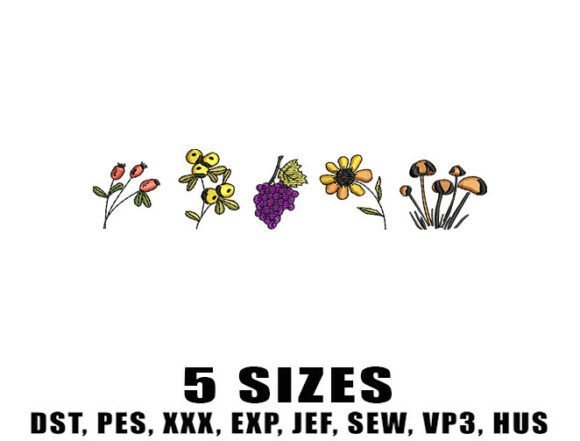
As a professional embroidery designer who has spent countless hours prepping booths for weekend craft fairs and managing digital storefronts, I know that the difference between a bestseller and a forgotten item often comes down to the design assets you choose. Today, I am putting Nature Harvest Embroidery Designs under the microscope. This collection, specifically the Wild Herbs Set featuring rose hips, berries, grapes, and mushrooms, promises a charming botanical aesthetic. But does it translate well from a digital screen to a tangible handmade product that customers will want to buy? Let's walk through my table setup and see how this machine embroidery design performs in the real world.
First Impressions: A Rustic and Organic Vibe
When I first loaded the preview of Nature Harvest Embroidery Designs, the immediate feeling was one of cozy, rustic elegance. The combination of rose hips, wild berries, grapes, and mushrooms creates a distinct "foraged" look that is currently trending heavily in the farmhouse and cottagecore markets. Unlike sterile or overly modern floral patterns, these elements feel grounded and earthy. For an Etsy seller or boutique maker, this visual language speaks directly to buyers looking for authenticity and nature-inspired decor. The design feels less like a mass-produced pattern and more like a curated piece of art, which instantly elevates the perceived value of any finished product.
The inclusion of mushrooms alongside traditional fruits and berries adds a unique twist. While flowers are common in the Single Flowers category, adding fungi introduces a whimsical, woodland element that can set your booth apart. In a crowded market where everyone is selling sunflowers and daisies, these wild herbs and forest finds offer a fresh perspective that catches the eye.
Product Application: Where It Shines on Your Table
Imagine setting up your craft fair table. You have a stack of tote bags, aprons, tea towels, and caps. How does Nature Harvest Embroidery Designs fit into this mix?
- Tote Bags and Market Bags: These are workhorses for any handmade shop. The larger sizes (4.8 and 5.8 inches) of this embroidery file are perfect for the center of a canvas tote. The organic shapes of the grapes and berries fill the space beautifully without looking cluttered. When a customer picks up a bag with a vibrant cluster of embroidered berries, the texture invites them to touch it, increasing engagement.
- Kitchen Linens and Aprons: Tea towel embroidery is a high-volume category. The rustic theme of rose hips and wild herbs fits perfectly on linen or cotton kitchen towels. An apron embroidery project using these motifs suggests a gardener or a home cook who appreciates natural ingredients. The design works as a focal point on the bib of an apron or as a repeating motif along the hem.
- Embroidered Patches and Caps: For smaller applications, the 3.8-inch size is ideal for creating detachable patches. These can be sewn onto denim jackets, hats, or backpacks. The mushroom and berry clusters make excellent accents on the side of a cap, offering a subtle nod to nature that doesn't overwhelm the wearer.
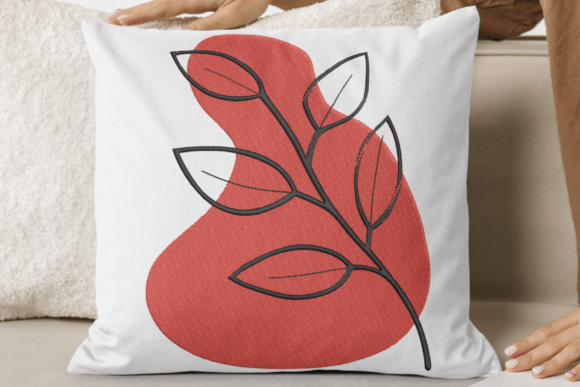
- Pillow Covers and Home Decor: On a pillow cover, the commercial embroidery potential is huge. The soft, rounded shapes of the fruit and fungi create a tactile surface that looks inviting in a living room setting.
Practical Production Considerations for Sellers
While the aesthetic appeal is strong, a professional designer must also consider the mechanics of production. Are these designs easy to hoop? Do they stitch out cleanly? Here is what you need to know before you start your batch production.
Stitch Density and Fabric Texture
Botanical designs with berries and grapes can sometimes suffer from high stitch density. If the grapes are packed too tightly, the thread may bunch up, especially on textured fabrics like heavy canvas or thick terry cloth used for tea towels. I recommend testing the design on scrap fabric first. If the density is too high, you might need to adjust the pull compensation or use a lighter stabilizer to prevent puckering. On smooth cotton or linen, the details of the rose hips and leaves should pop beautifully, but always check your thread colors against the background fabric to ensure contrast.
Sizing and Clarity
The product description lists three sizes: 3.8 inches, 4.8 inches, and 5.8 inches. This range is excellent for versatility. However, be cautious with the smallest size (3.8 inches) if you plan to use it on dark fabrics or highly textured materials. Tiny details, such as the stems of the herbs or the gills on the mushrooms, might get lost if the hoop size is too small or if the fabric grain interferes with the stitching. For maximum clarity and impact, the 4.8 and 5.8-inch versions are likely your safest bets for craft fair products where customers view items from a distance.
Curved Surfaces and Caps
If you are applying these designs to caps, remember that curved surfaces require careful hooping. The mushroom and berry clusters are somewhat irregular in shape, which can be tricky on a curved brim. Ensure you use a specialized cap frame and a cutaway stabilizer to support the stitches. Without proper backing, the design may pucker or lose its definition on the curve.
Visual Appeal and Brand Consistency
For a creative entrepreneur, consistency is key. Nature Harvest Embroidery Designs offers a cohesive theme that allows you to build a brand around the "wild harvest" aesthetic. Whether you are selling a single patch or a full line of kitchen textiles, the recurring motifs of berries and mushrooms create a recognizable signature style. This helps in Etsy listings and social media marketing, where a consistent visual identity attracts loyal followers.
Photography is another critical factor. These designs photograph exceptionally well because of their dimensional quality. The raised stitches of the berries catch the light, creating depth in your photos. When creating a printable mockup for your online store, ensure you capture close-up shots that highlight the texture. Customers buying digital files or finished goods want to see the quality of the digital embroidery file in action. High-quality images of the design on different fabrics can significantly boost conversion rates.
Final Designer Notes and Recommendations
Before you commit to a large run of products, follow these steps to ensure success:
- Test Stitching: Always run a test on the exact fabric you intend to sell. Check for thread breaks, skipped stitches, or excessive tension issues.
- Check Licensing: Confirm that your license allows for commercial embroidery sales. If you are selling the finished goods, ensure the terms permit unlimited production or meet your volume needs.
- Fabric Pairing: Experiment with earth tones like sage green, terracotta, cream, and deep brown to complement the rustic theme. Avoid neon or overly bright backgrounds that might clash with the natural feel of the design.
- Mockups Matter: Create at least one real physical mockup to display at your booth. Seeing the actual handmade product builds trust with buyers who cannot feel the texture online.
- Review Spacing: If you are placing multiple motifs on a single item, like a long runner or a large tote, ensure there is enough spacing between the clusters so they don't merge into a solid block of thread.
In conclusion, Nature Harvest Embroidery Designs is a robust addition to any designer's toolkit. Its blend of rustic charm and detailed botanical elements makes it a standout choice for small shop products and craft fair displays. With careful attention to fabric selection and stitch settings, this embroidery collection can transform simple textiles into premium, giftable items that resonate with nature-loving customers. Whether you are a seasoned business owner or just starting your journey as a digital seller, these design assets offer the versatility and visual appeal needed to drive sales and build a memorable brand.