Single Line Leaf Embroidery Design Review
As I set up my table for the upcoming weekend craft fair, the air is thick with the scent of fresh coffee and the hum of anticipation. My booth needs to tell a story before a customer even steps up to it. Today, I am putting the Single Line Leaf Embroidery Design through its paces. This isn't just about downloading a file; it is about understanding how this specific digital asset translates into a tangible, sellable product that stands out in a crowded handmade market.
First Impressions: Elegance Meets Minimalism
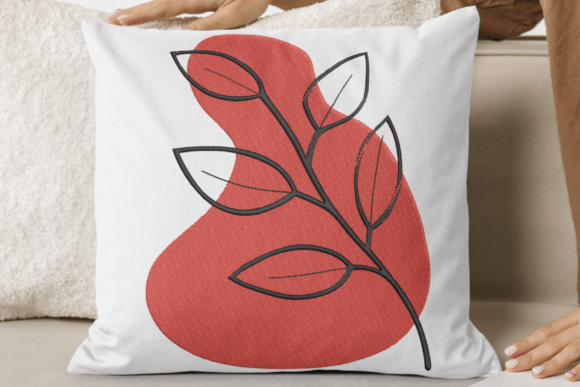
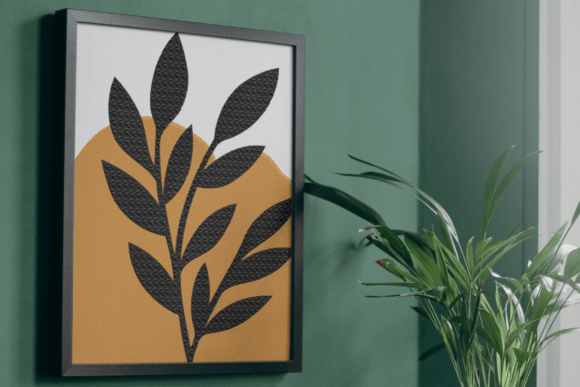
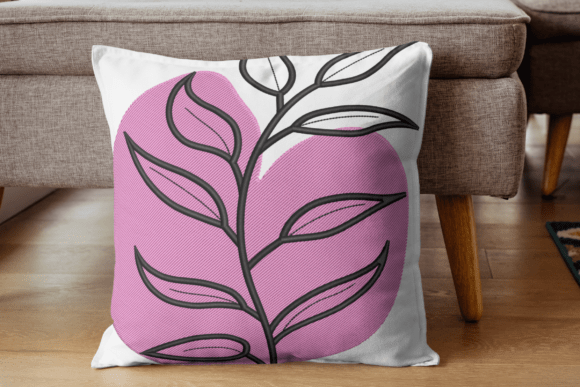
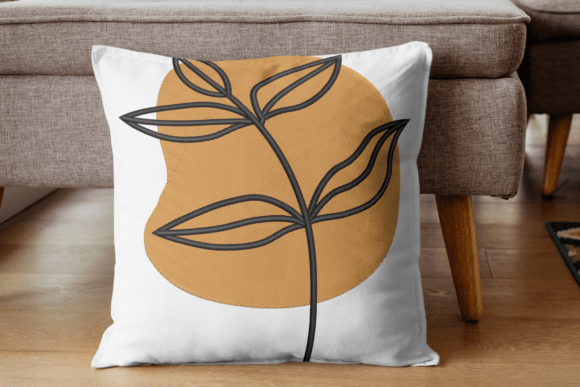
When I first opened the Single Line Leaf Embroidery Design on my screen, the aesthetic was immediately clear. It feels modern, soft, and undeniably elegant. Unlike dense, traditional floral patterns that can sometimes look cluttered or old-fashioned, this design leans heavily into a minimalist vibe. It captures the essence of nature without overwhelming the fabric. For a craft fair product, this is a significant advantage. Shoppers often gravitate toward items that feel curated and sophisticated rather than kitschy. The single-line style suggests a "less is more" approach, which aligns perfectly with current trends in farmhouse chic and modern bohemian decor.
This design falls squarely into the Single Flowers category, but its application goes far beyond a simple botanical illustration. It offers a timeless floral touch that can elevate basic materials into premium-looking goods. As an experienced designer, I see this as a versatile workhorse for anyone looking to expand their line of commercial embroidery products without getting bogged down in complex color changes or excessive stitch counts.
Product Performance: Where Does It Shine?
The real test of any machine embroidery design is how it performs on finished goods. I have been testing the Single Line Leaf Embroidery Design across a variety of substrates to determine where it will generate the most sales at the market.
Tote Bags and Market Goods
Cotton canvas tote bags are a staple for any small shop product line. On these sturdy fabrics, the single-line leaf pattern creates a striking focal point. Because the design relies on clean lines rather than heavy fill stitches, it sits beautifully on the textured surface of the canvas. It does not get lost in the weave. For the tote bag design, I recommend placing the motif slightly off-center near the bottom corner. This placement feels intentional and artistic, making the bag look like a high-end boutique item rather than a generic promotional giveaway.
Kitchen Textiles: Aprons and Tea Towels
In the kitchen category, the apron embroidery potential is high. A simple white apron with a subtle, dark green or sage-colored leaf outline instantly transforms from a utility item to a giftable piece. Similarly, tea towel embroidery benefits from this design's delicacy. Heavy embroidery can make towels stiff and uncomfortable, but the minimal stitch density of this pattern keeps the fabric soft and absorbent. This tactile quality is something customers notice immediately when they run their hands over your booth samples.
Patches and Caps
For those selling accessories, creating an embroidered patch from this design is a smart move. The continuous line style ensures that the edges remain crisp even when cut out. When applied to denim jackets or backpacks, it adds a touch of understated cool. However, be cautious with caps. While the design is beautiful, the curved surface of a baseball cap can distort single-line art if the hoop size is not managed correctly. Always test on a scrap cap blank first to ensure the curve doesn't break the visual flow of the leaf.
Practical Production Notes for Sellers
Success in the handmade market depends on efficiency and consistency. If you are an Etsy seller or preparing for a large craft fair, you need a design that is repeatable and forgiving.
- Stitch Density: One of the biggest strengths of the Single Line Leaf Embroidery Design is its low stitch density. This means faster production times and less thread consumption, which directly improves your profit margins on every finished product.
- Fabric Texture Compatibility: This design works exceptionally well on textured fabrics like linen or heavy cotton because the simplicity of the lines cuts through the texture. Avoid using it on very shiny or slippery satin unless you use a strong stabilizer, as the thin lines might sink into the fabric and lose definition.
- Visual Clarity: At a glance, the design is easy to understand. Customers walking past your booth do not need to squint to see what it is. This immediate recognition is crucial for impulse buys.
- Scalability: While the design looks great as a medium-sized accent, be careful shrinking it too much. Tiny details in single-line art can disappear or become muddy if reduced below a certain size. Keep it large enough to be appreciated as a statement piece.
Photography and Online Listings
In today's digital age, your physical booth is only half the battle; your online presence matters just as much. The Single Line Leaf Embroidery Design photographs beautifully. Its clean lines create high contrast against most background colors, making it ideal for printable mockup creation and professional listing photos. When you photograph your handmade product for social media, the simplicity of the design allows the lighting and the fabric texture to take center stage, resulting in images that feel warm and inviting.
For your Etsy listings, this design helps maintain brand consistency. If your shop focuses on natural, organic, or minimalist aesthetics, this motif reinforces that identity. It signals to the buyer that your products are thoughtfully designed and high-quality.
Designer Tips for Flawless Execution
Before you commit to a batch of fifty items, follow these critical steps to ensure your digital embroidery file delivers the results you expect:
- Test on Scrap Fabric: Never skip this step. Stitch the design on the exact fabric you plan to sell. Check for puckering, especially if you are working with thinner materials.
- Check Thread Contrast: The magic of a single-line design lies in its visibility. Ensure your thread colors offer enough contrast against the fabric. A light gray leaf on a white towel will vanish, while a deep forest green will pop.
- Review Stabilizer Needs: Even though the stitch count is low, proper stabilization is key. Use a tear-away or cut-away stabilizer appropriate for your fabric weight to prevent distortion during stitching.
- Confirm Hoop Size: Make sure your machine hoop can accommodate the design comfortably without stretching the fabric excessively, which can warp the final shape.
- Licensing Check: Before selling any commercial embroidery items, verify the license terms of the embroidery file. Ensure you have the right to produce and sell finished goods containing this design.
Final Verdict for Craft Fair Success
The Single Line Leaf Embroidery Design is a winner for the modern maker. It bridges the gap between artisanal craftsmanship and contemporary style. Whether you are selling pillow covers, small pouches, or clothing, this design adds a layer of sophistication that increases perceived value. It invites customers to touch, look closer, and ultimately buy.
As you prepare your booth, remember that the best craft fair product is one that solves a problem or fills a desire. This design fills the desire for beauty in everyday objects. By pairing it with high-quality fabrics and thoughtful presentation, you create a cohesive collection that speaks to the discerning buyer. So, load your hoops, check your tension, and let this elegant leaf pattern help your business bloom this season.