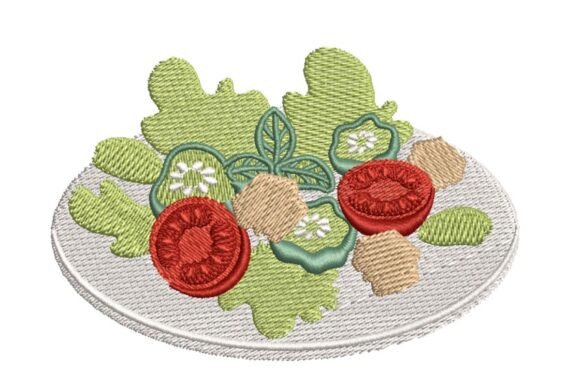
Rustic Panzanella Salad Embroidery Design Review
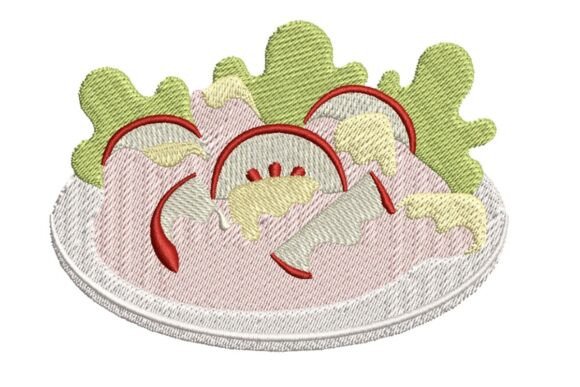
As a professional embroidery designer who has spent years translating digital concepts into tangible threads for small businesses, I approach every new machine embroidery design with a critical eye. The goal is never just to create something pretty; it is to build an asset that elevates a brand. Recently, I reviewed the Rustic Panzanella Salad Embroidery Design, and it immediately sparked my interest for specific commercial applications. This piece promises a stylized representation of a classic Italian salad, rendered with vibrant colors and textures on a light grey, circular plate. For business owners in the culinary or lifestyle sectors, this could be a game-changer for their merchandise strategy.
First Impressions: Visual Personality and Brand Fit
When I first opened the preview of the Rustic Panzanella Salad Embroidery Design, the aesthetic was clear. It feels rustic yet polished, perfectly capturing the essence of farm-to-table dining or artisanal food markets. The description highlights "vibrant colors and textures," which suggests a high level of detail in the stitching plan. Unlike flat, cartoonish icons often found in generic clip art, this design appears to have depth. The arrangement of ingredients on a light grey plate provides a neutral background that allows the colors of the tomatoes, bread, and greens to pop without clashing.
For a boutique café, a local bakery, or a handmade food product line, this design exudes professionalism and warmth. It signals to the customer that the business values quality ingredients and craftsmanship. In the realm of brand identity, using a food-themed design like this moves beyond simple decoration; it tells a story about what the business offers. It feels friendly and inviting, making it an excellent candidate for creating a memorable visual connection with customers.
Strategic Applications for Small Business Merchandise
The versatility of the Rustic Panzanella Salad Embroidery Design makes it suitable for a wide range of commercial projects. Here is how I envision this embroidery file performing in real-world business scenarios:
- Staff Uniforms and Aprons: One of the most effective uses is apron embroidery. Placing this design on the chest pocket or the back of a chef's apron creates an immediate association between the staff and the quality of the food served. It transforms a standard work uniform into a branded tool that reinforces the restaurant's theme.
- Custom Apparel and Caps: For cap embroidery, the circular nature of the plate works exceptionally well. A patch-style application on a baseball cap can serve as a subtle logo accent. Alternatively, scaling the design down slightly for the front panel of a polo shirt offers a sophisticated look for team members at outdoor markets or events.
- Tote Bags and Shopping Accessories: A tote bag design featuring this salad would be perfect for farmers' market days or as a giveaway for loyal customers. The vibrant thread colors stand out against canvas materials, making the bag a walking advertisement for the brand.
- Branded Patches: Creating an embroidered patch from this design allows for maximum flexibility. Businesses can sell these patches as standalone products or sew them onto denim jackets, backpacks, and hats. This is a low-risk way to test customer engagement with the design before committing to full garment production.
- Product Packaging Accents: While less common, attaching a small embroidered label to fabric packaging for baked goods or gourmet salts adds a premium, handmade touch that printed labels cannot replicate.
Critical Considerations for Production Success
While the potential is high, applying the Rustic Panzanella Salad Embroidery Design requires careful planning to ensure the finished product meets professional standards. As a designer, I always advise clients to consider the following factors before mass production:
Stitch Density and Fabric Texture
The description mentions "textures" in the salad ingredients. In embroidery, texture is created through stitch density. If the stitch density is too high, it can cause puckering on lightweight fabrics like linen or thin cotton. Conversely, if it is too low, the design may look sparse. I recommend testing this design on the actual fabric intended for use. For textured fabrics like heavy canvas or denim, the dense areas might blend in beautifully, but on smooth silk or satin, you may need to adjust the underlay settings.
Size Limitations and Detail Retention
Complex food designs can lose definition when scaled down. If you are considering this for a small patch size or a tiny chest logo, verify that the individual ingredients remain distinguishable. Tiny lettering or intricate outlines of the salad components might blur together if the hoop size is too small. Always check the minimum recommended dimensions in the digital embroidery file specifications.
Color Contrast and Thread Selection
The design features a light grey plate. On dark uniforms, the grey might get lost unless the thread contrast is carefully managed. You may need to add a white underlay or choose a lighter shade of grey thread to ensure visibility. Similarly, the vibrant colors of the salad must be matched correctly to your brand palette. Using off-the-shelf thread colors that do not match the design intent can cheapen the overall look.
Surface Curvature and Hooping
Applying this design to curved surfaces, such as the front of a cap, requires precise digitizing to prevent distortion. The circular plate should maintain its shape even on a curved brim. Ensure your machine setup includes the appropriate stabilizer and hoop for the specific item being embroidered. A poor choice of stabilizer can lead to shifting stitches, ruining the symmetry of the salad arrangement.
Enhancing Brand Identity and Customer Trust
Using a high-quality design like the Rustic Panzanella Salad Embroidery Design does more than decorate clothing; it builds trust. When customers see consistent, well-executed branding on staff uniforms, tote bags, and event merch, they perceive the business as established and professional. This visual consistency is crucial for small business merch.
In the competitive world of handmade brands and Etsy sellers, standing out is essential. An embroidered logo or accent feels more tactile and valuable than a screen-printed graphic. It suggests a commitment to quality that resonates with buyers looking for authentic experiences. Whether used as a custom apparel feature or a unique gift for VIP clients, this design enhances the perceived value of your products.
Designer Checklist Before Production
Before you finalize your order or start stitching, run through this practical checklist to ensure the best results:
- Test in Black and White: Print a grayscale version of the design to check the balance of light and dark areas. This helps identify potential issues with thread contrast before you cut any thread.
- Verify Hoop Size: Confirm that your machine's hoop can accommodate the design dimensions without needing to split the image, which can disrupt the flow of the salad arrangement.
- Create a Mockup: Generate a printable mockup showing the design on your actual products (caps, aprons, shirts). Share this with stakeholders or clients for approval before production begins.
- Check Licensing: Ensure you have the proper commercial embroidery license for the digital embroidery file. Do not assume personal use licenses cover business sales.
- Inspect Spacing: If combining this design with text or other design assets, leave adequate spacing to prevent overcrowding.
- Wash Test: After the first few runs, wash the sample items to ensure the threads hold up and the colors do not bleed or fade excessively.
The Rustic Panzanella Salad Embroidery Design offers a delightful opportunity for businesses in the Food and Embroidery sectors to elevate their visual presence. By understanding its strengths and limitations, you can leverage this design to create merchandise that is not only beautiful but also strategically aligned with your brand goals. Whether you are outfitting a new café or launching a line of handmade accessories, this design serves as a robust foundation for professional, engaging, and memorable branding.